
Built Up Roofing: Tar And Gravel Roofing Systems

What Is Built Up Roofing?
This traditional roofing style uses alternating layers of bitumen asphalt and roofing felts to create a strong, reliable surface. Roofing felts are reinforced industrial fabrics that form powerful bonds. Modern roofing felts are strengthened with fibreglass or organic ply mats for extra durability.
BUR systems are applied in layers of asphalt and felts. These materials join together to form a strong roofing membrane known as a ply. For example, a four-ply roof includes four layers of flat roofing system.
What Does A Built Up Roof Include?
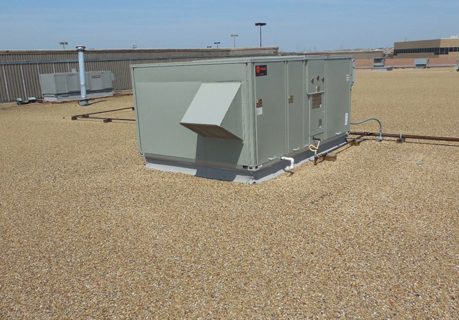
IKO Built Up Roofing systems use several layers to provide top-quality performance.
IKO Modified Vapour Protector (MVP)
Installed directly above the roofing deck, this vapour defence layer provides a barrier against moisture.
Base Sheets
These saturated roofing felts are used as the first ply layer on some low-slope roofing systems. Base sheets are coated with sand or asphalt on both sides to provide additional protection. IKO offers two base sheet options.
- Modiflex MP-180-SS-Base
- Modiflex MF-95-SS
IKOTherm Insulation
Insulation helps maintain appropriate building temperatures. Temperature management reduces utility costs, prevents wasteful heat loss, and protects against building expansion during extreme weather.
IKO Asphalt
IKO offers five different bulk asphalt options to meet the unique needs of every building. All asphalts are proven waterproofing materials and can be used in select damp-proofing and waterproofing applications.
- Type 1 Asphalt
- Type 2 Asphalt
- Type 3 Asphalt
- Modi-Melt SEBS Asphalt
- Easy-MeltTM 200
What Are The Benefits Of Built Up Roofs?

Redundant Systems
BUR systems have multiple layers that make them extremely damage-resistant. Even if one layer loses performance, the system’s other layers are still actively protecting the roof.

Extreme Durability
Built Up Roofs can withstand many troublesome conditions. These systems tolerate building stress and thermal shock, making them perfect for ongoing projects and roofing repairs. BUR systems also have excellent membrane strength that resists punctures and other surface damage.

Top Fire Protection
Tar and gravel roofs offer superior heat and fire protection against external flames. These roofs add an extra layer of safety to any building.

Reflective Surfacing
Increase the membrane protection, puncture resistance, and foot traffic protection with a range of reflective surfacing options.

Versatility
Built Up Roofs can use SBS, organic felts, and fibreglass, making them ideal for many different building challenges.
Learn More About Built Up Roofs
BUR systems are effective, efficient roofing solutions. These roofs are so widespread across North America because they deliver top performance. The redundant ply layers in every Built Up Roof help protect buildings from extreme weather, maintenance traffic, and general wear and tear. Contact us today to learn more about IKO BUR systems and see how we can protect your next project.
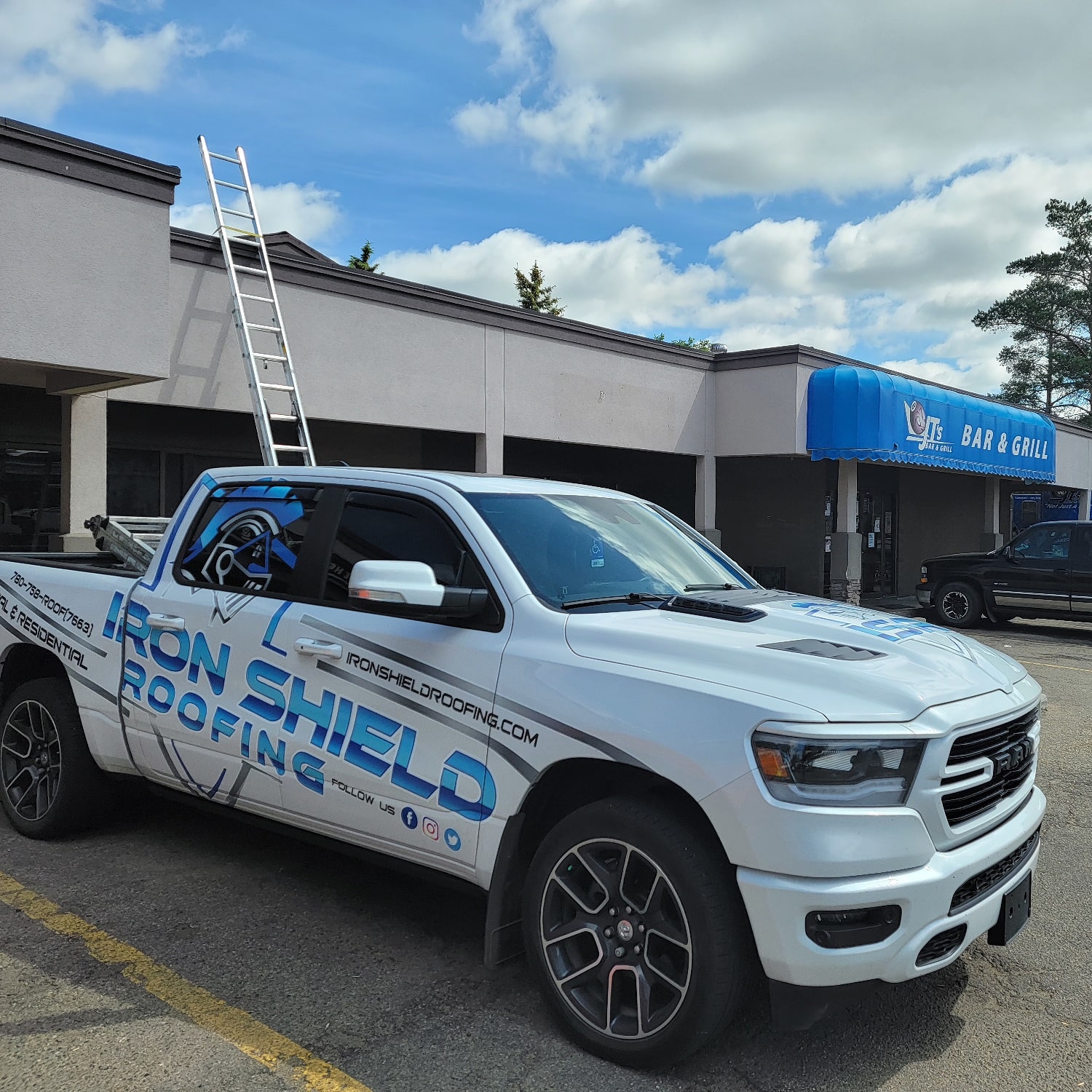
Tar and Gravel Roofing in Edmonton — Frequently Asked Questions
Answers to what Edmonton property owners ask most about tar and gravel roofing.
What is tar and gravel roofing?
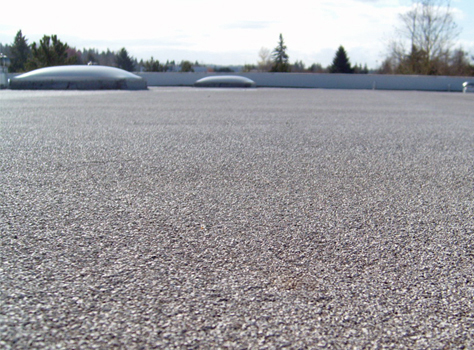
Tar and gravel — also called built-up roofing (BUR) — is a traditional flat-roof system made of multiple alternating layers of asphalt (bitumen) and reinforcing felt, topped with a layer of gravel. The gravel protects the membrane from UV and physical damage, and the layered build creates a tough, redundant waterproof surface. Iron Shield Roofing installs and services tar and gravel roofs across Edmonton.
Is tar and gravel roofing good for Edmonton's climate?
Yes — built-up roofing has a long track record on Edmonton flat roofs. Its multiple layers provide redundancy against leaks, the gravel surface shields it from UV and hail, and the heavy, durable build stands up to foot traffic and weather. With good drainage and maintenance, it's a proven long-lasting option. Iron Shield Roofing installs BUR systems suited to Alberta conditions.
How long does a tar and gravel roof last?
A well-built and maintained tar and gravel roof commonly lasts around 20 to 30 years, and sometimes longer, thanks to its multi-layer construction. Keeping drains clear and addressing small issues early helps it reach the upper end of that range. Iron Shield Roofing builds and maintains BUR roofs to get the most from their lifespan.
What are the advantages of tar and gravel roofing?
Built-up roofing offers excellent durability, multi-layer redundancy against leaks, strong protection from UV and physical damage thanks to the gravel, good performance under foot traffic, and a long, proven history. Its layered design means a single point of damage is less likely to cause a leak. For many Edmonton flat roofs, it remains a dependable choice.
How is a tar and gravel roof installed?
A tar and gravel roof is built up in place: alternating layers of hot or cold asphalt and reinforcing felt or ply sheets are applied over the deck and insulation, then finished with a flood coat of asphalt and a layer of gravel. The process creates a thick, seamless, redundant membrane. Iron Shield Roofing installs BUR to manufacturer and industry standards.
How does tar and gravel compare to single-ply systems like TPO or EPDM?
Tar and gravel is a heavier, multi-layer built-up system valued for redundancy and durability, while TPO and EPDM are lighter single-ply membranes that install faster and can be more reflective or flexible. BUR's gravel surface offers good impact and UV protection, while single-ply systems offer simpler repairs and lighter weight. Iron Shield Roofing installs all of these and will help you compare for your building.
Can a tar and gravel roof be repaired?
Yes — tar and gravel roofs are repairable. Common issues like blisters, cracks, alligatoring, and flashing problems can usually be addressed without replacing the whole roof, though locating a leak under the gravel takes experience. Iron Shield Roofing inspects the roof to find the source and carry out the right repair.
How much does a tar and gravel roof cost?
The cost of a tar and gravel roof depends on the size of the roof, the number of plies, the amount of tear-off, and the complexity of drains and details. Built-up roofing involves more material and labour than some single-ply systems. Because every roof is different, the most accurate way to know is a free assessment and written quote from Iron Shield Roofing.
Does a tar and gravel roof need maintenance?
Yes — like any flat roof, BUR benefits from regular maintenance: keeping drains and scuppers clear, checking flashing, and watching for blisters or cracks. Ponding water is the leading cause of premature flat-roof failure in Edmonton, so drainage is a key focus. Iron Shield Roofing can set up a maintenance schedule to protect your tar and gravel roof.
Is tar and gravel still a good option, or should I switch to a newer system?
Tar and gravel remains a solid, durable choice, and if your existing BUR roof is sound it can often be maintained or repaired rather than replaced. When replacement is needed, some owners stay with BUR while others move to a single-ply system — it depends on the building and budget. Iron Shield Roofing will give you an honest assessment of the best path for your roof.