Last Updated: November 7, 2026
Quick Summary
The best roofing materials for the Alberta climate are metal for sloped roofs, EPDM or TPO membrane for flat roofs, and Class 4 impact-rated products in hail-prone areas. Match the material to your roof pitch, budget, and regional exposure, since no single material wins on every front.
- Standing seam metal typically lasts 40 to 50+ years with low maintenance and high hail resistance.
- Standard three-tab asphalt shingles are the weakest option against hail and wind.
- EPDM rubber membrane stays flexible in cold and resists cracking at seams during freeze-thaw.
- Inspect seams, flashing, and eave membrane before freeze-up, and clear gutters so meltwater drains.
- Over a 30-year horizon, asphalt usually needs at least one replacement while metal and rubber often do not.
Table of Contents
- How Alberta’s Climate Tests Every Roofing Material
- Metal Roofing Pros and Cons in Alberta
- Asphalt Shingles for Hail and Wind: What Holds Up
- Rubber Roofing for Flat Roofs in a Cold Climate
- Roofing Material Lifespan and Maintenance Across the Province
- Total Cost of Ownership: Upfront Price vs Long-Term Value
- Choosing the Best Roofing Materials for Your Building
- Frequently Asked Questions
How Alberta’s Climate Tests Every Roofing Material
Choosing the best roofing materials for the Alberta climate starts with one blunt fact: a roof here has to survive four seasons of punishment that most roofing guides never account for. Roofs in this province face a demanding set of conditions. Hail, Chinook winds, and freeze-thaw cycles attack a roof in different ways, and a material that handles one can fail badly at another.
Hail is the most expensive threat. The corridor running through central and southern Alberta is known as Hailstorm Alley, and a single hailstorm can bruise asphalt shingles, dent metal panels, and crack older membranes. Chinook winds bring rapid warming and gusts that peel back poorly fastened edges. Freeze-thaw cycles are the slow killer: water works into seams, expands overnight, and widens the gap by morning. Repeat that a few hundred times a winter and small flaws become leaks.
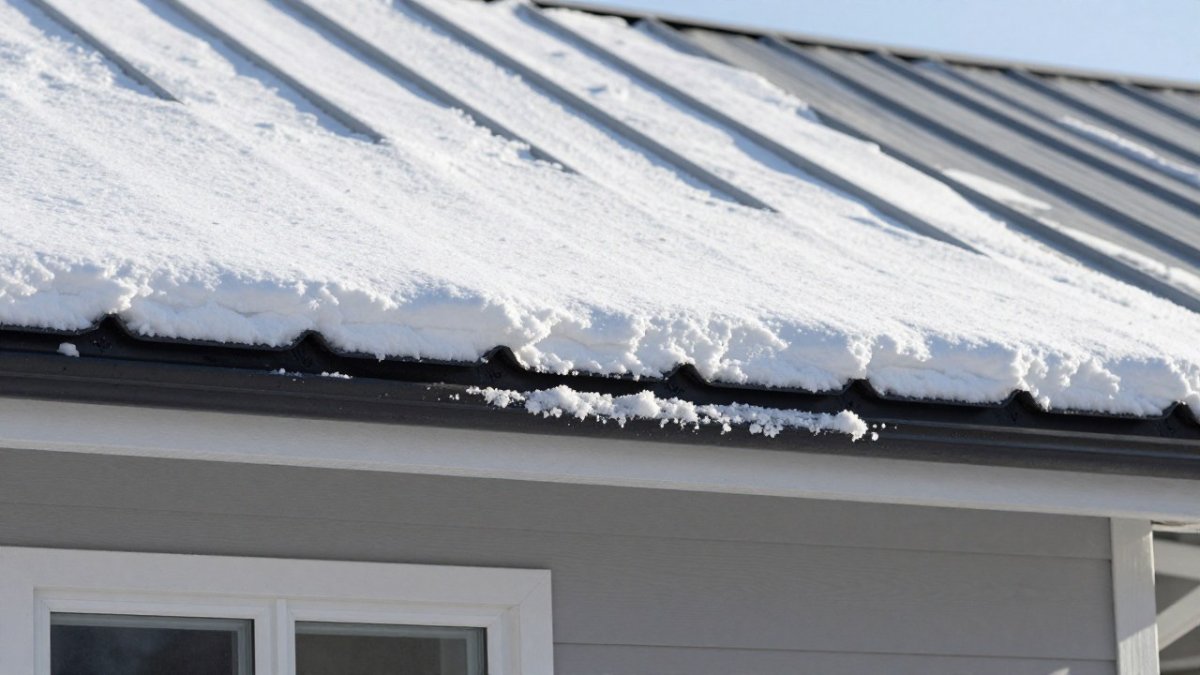
The lesson: no single roofing material wins on every front. The right choice depends on your roof pitch, your budget, and how your building is built.
Metal Roofing Pros and Cons in Alberta
Metal roofing is the strongest all-round performer in this climate, and it is our first recommendation for most sloped roofs. Standing seam steel and aluminum panels shed snow, resist wind uplift, and shrug off hail far better than standard shingles. Aluminum systems rated to UL 2218 Class 4 offer serious impact resistance, as Interlock’s guide to resilient roofing in Calgary notes for hail-prone areas.
The cons are real. Metal costs more upfront than asphalt, and installation quality decides everything. A poorly fastened panel rattles, leaks at penetrations, and fails at the seams long before the metal itself wears out. Snow shedding is a benefit until it lands on a walkway or a lower roof, so snow guards matter. For a deeper look at panel types and climate fit, see our guide to metal roofing in Edmonton.
Best for: sloped roofs on homes and commercial buildings where longevity and hail resistance matter.
Skip if: your budget cannot stretch to a proper installation, because a cheap metal job is worse than good shingles.
Asphalt Shingles for Hail and Wind: What Holds Up
Asphalt shingles remain a common roof in the province, and they are generally affordable and straightforward to repair. Standard three-tab shingles, though, are the weakest option against hail and wind. Architectural and laminated shingles are thicker and heavier, and impact-resistant shingles are available in higher-rated classes.
Wind is the other test. Chinook gusts grab loose tabs and lift them, and once a seal breaks, the next storm finishes the job. Proper nailing and a fully adhered starter course matter more than the shingle brand. If you are weighing asphalt against a premium alternative, our Decra metal vs asphalt shingle comparison breaks down cost, durability, and style side by side.
Best for: budget-conscious owners and simple roof designs.
Skip if: your roof takes direct hail exposure and you want the longest service life.
Rubber Roofing for Flat Roofs in a Cold Climate
Flat and low-slope roofs need a membrane, not shingles, and rubber is one of the most dependable choices in cold weather. EPDM rubber membrane stays flexible when temperatures drop, which matters because a brittle membrane cracks at the seams during freeze-thaw. TPO is the other common flat-roof system, and both are standard options for low-slope sections, as Beauchemin Roofing’s material guide describes.
Recycled rubber shake and slate products bring the same flexibility to sloped roofs with a Class 4 impact rating. Our Euroshield rubber roofing service covers the profiles, hail ratings, and warranty details for that system.
Best for: flat roofs, low-slope sections, and owners who want hail-rated flexibility.
Skip if: your roofer cannot guarantee clean seam work, because membrane failures start at the seams.
Roofing Material Lifespan and Maintenance Across the Province
Lifespan is where marketing claims and field reality split. A DECRA metal roof exposed to Canadian winters lasted over 40 years, according to DECRA’s case study on roofing for Canadian winters. Asphalt shingles generally live shorter lives, and hail or wind can cut that short in a single season. The numbers below are typical service-life ranges most practitioners report for well-installed assemblies, not warranty maximums.
| Material | Typical Service Life | Maintenance Level | Hail Resistance |
|---|---|---|---|
| Standing seam metal | 40-50+ years | Low | High |
| Class 4 architectural shingles | 25-30 years | Medium | High |
| Standard asphalt shingles | 15-20 years | Medium | Low |
| EPDM / TPO membrane | 20-30 years | Medium | Medium to high |
| Recycled rubber shake/slate | 40-50 years | Low | High |
Why lifespan varies across the province
Treating this province as one uniform climate is the most common mistake in roofing guides. The exposure profile changes dramatically by region, and so does the maintenance burden.
- Hail corridor (central and southern areas): The stretch known as Hailstorm Alley concentrates hail risk. Class 4 impact-rated products earn their premium here, and post-storm inspections after every significant event are the norm rather than an annual ritual.
- Chinook-exposed foothills and southern prairie: Rapid warming and gust events test fasteners and edge metal. Fastener checks and sealant inspections after wind events matter more than calendar-based maintenance.
- Northern and higher-elevation areas: Longer snow-cover periods and deeper freeze-thaw cycling put the emphasis on ice-and-water protection at eaves, ventilation to prevent ice damming, and snow-load capacity rather than hail rating.
- Urban and sheltered lots: Lower wind and hail exposure can let a mid-grade architectural shingle reach its full service life, making the premium for metal harder to justify on durability alone.
A common pattern is that the same material delivers a decade or more of additional service life in a sheltered urban setting than on an exposed rural roof. That is why a regional read of your exposure matters as much as the product spec sheet.
Maintenance cadence that actually extends life
Maintenance is the multiplier. Clearing debris, checking fasteners after wind events, and inspecting seams before freeze-up all extend service life. Metal roofs need less routine work but still benefit from annual checks. A practical cadence most practitioners recommend:
- Spring: Clear winter debris from valleys and behind chimneys, inspect for lifted or missing shingles and panels, and check sealant at penetrations.
- Late summer: Confirm attic ventilation is moving air, because poor ventilation shortens shingle life from underneath through heat and moisture buildup.
- Before freeze-up: Inspect seams, flashing, and ice-and-water membrane at eaves; clear gutters so meltwater has somewhere to go.
- After any hail or high-wind event: Walk the roof or have it inspected, because bruising and lifted tabs are easy to miss from the ground and become leaks later.
A pre-freeze-up inspection helps catch small flashing or sealant issues before they turn into spring leaks.
Our metal roof maintenance guide for Edmonton walks through the seasonal routine in more detail.
Total Cost of Ownership: Upfront Price vs Long-Term Value
The cheapest roof is rarely the least expensive roof. Upfront cost favors asphalt shingles, but replacement cycles, hail repairs, and insurance deductibles add up over the life of a building. Metal and rubber systems cost more on day one and then ask for far less over the following decades.
A consistent time horizon
Comparing materials over a fixed horizon, such as 30 years, gives a clearer picture of long-term cost than upfront price alone. Over that horizon, total cost of ownership has four components:
- Installation: The surface material plus the full assembly, underlayment, ice-and-water protection, flashing, fasteners, and ventilation. A premium panel installed over a cheap underlayment is a false economy.
- Maintenance: Annual inspections, sealant refresh, debris clearing, and minor repairs. Metal and rubber carry lower routine costs; asphalt carries moderate costs that rise as the roof ages.
- Replacement: Asphalt typically needs at least one replacement within a 30-year horizon; metal and rubber often do not. That single avoided replacement is usually the largest line item separating the options.
- Storm repairs and deductibles: Hail and wind claims carry deductibles, and repeated claims can affect insurability. Impact-rated Class 4 products reduce the likelihood of a claim in the first place.
The insurance angle most guides miss
Ask your insurance broker how your insurer views hail-resistant roofing, and what documentation it requires before you choose a system.
Why we do not publish prices
We do not publish prices because every roof is different; our team quotes each project on its pitch, assembly, and access. What you pay for is the full roofing system, not just the surface: underlayment, flashing, fasteners, and ventilation decide whether the material performs. When you compare quotes, compare the assembly line by line, a lower surface price with a thinner underlayment and fewer fasteners is not the same roof.
When comparing quotes, review the full assembly line by line, since a lower surface price can omit items such as ice-and-water protection or ventilation.
Choosing the Best Roofing Materials for Your Building
There is no single best roofing material for every building, and any contractor who says otherwise is selling, not advising. Match the material to the roof: sloped roofs favor metal or architectural shingles, flat roofs need a membrane, and hail-exposed roofs should carry a Class 4 rating. Budget, roof design, and location decide the rest, as No Water Roofing’s Alberta material overview points out.
Beyond the surface, the roof assembly and installation quality decide how long any material lasts. That is where we focus at Iron Shield Roofing. Our crews specialize in low-slope and flat systems built for freeze-thaw and snow loads, and they work around active operations to keep tenant disruption low. When you are ready to decide, request a free quote and we will assess your roof and recommend the right system.
A roof is a long-term decision, and getting the material and installation right the first time saves years of repairs. Iron Shield Roofing brings flat, sloped, and metal roofing expertise, tenant-friendly crews, and maintenance planning built for this climate. Get started with Iron Shield Roofing and protect your building before the next storm season.
Frequently Asked Questions
What roofing material is best for the Alberta climate?
There is no single best roofing materials choice for every building. Metal roofing, particularly standing seam, handles snow shedding, wind uplift, and freeze-thaw cycles well, and impact-rated aluminum products carry a UL 2218 Class 4 rating for hail. Architectural asphalt shingles cost less upfront and suit sloped residential roofs. Flat and low-slope buildings need membrane systems such as EPDM or TPO. Budget, roof pitch, and regional hail exposure decide the right pick.
Is metal roofing a good choice for Alberta winters?
Metal performs well in cold conditions. Standing seam systems are recommended for cold climates because smooth panels shed snow and resist wind uplift from Chinook events. Metal roofs are generally durable in cold conditions when properly installed. The catch is installation quality: fasteners, clips, and underlayment determine whether a metal roof reaches that lifespan. Ask any contractor how the assembly handles thermal movement.
Are asphalt shingles durable in Alberta’s hail and wind?
Standard asphalt shingles can crack or lose granules in a hailstorm. Impact-resistant shingles are built to absorb hail strikes and are a sound choice for sloped roofs in hail-prone areas. Wind resistance depends on the nailing pattern and sealant strip, so correct installation matters as much as the product rating.
How long do different roofing materials last in Alberta?
Lifespan varies widely by material and assembly. Metal roofing is generally among the longest-lived common options when properly installed. Architectural asphalt shingles typically need replacement sooner, and their service life shortens with repeated hail and freeze-thaw stress. Rubber and membrane flat roof systems depend heavily on seam quality and drainage. Maintenance, including clearing drains and checking flashings, extends every material’s life.

